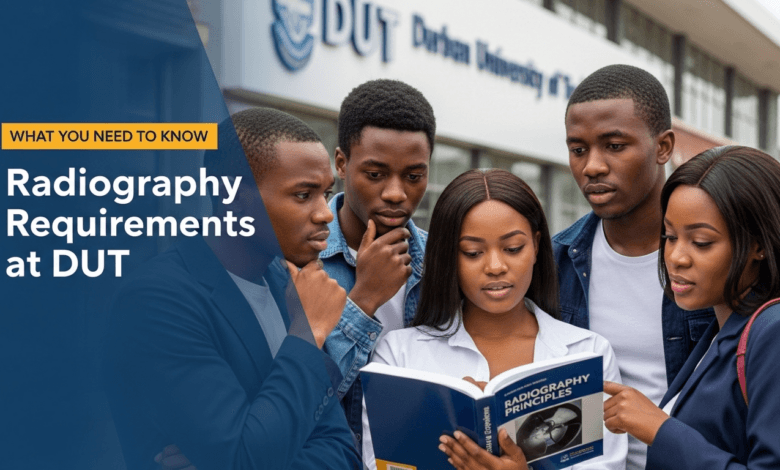
Radiography is a captivating field, perfect for those who are curious about healthcare and technology. If you’re thinking about studying radiography at Durban University of Technology (DUT), it’s important to understand what you need for this career path. Here’s what you need to know about the requirements to get started.
Understanding Radiography
Radiography involves using imaging techniques, like X-rays, to help doctors diagnose and treat illnesses. Radiographers play a crucial role in the medical field by ensuring accurate imaging, which is vital for patient care.
Admission Requirements
If you want to enroll in the radiography program at DUT, you need to meet certain academic criteria. Here’s what you should have:
- Matric Certificate: You need a National Senior Certificate (NSC) with a minimum of 30% in your home language.
- Subjects: Good grades in Mathematics, Physical Science, and Life Sciences are usually required. Aim for at least 50% in these subjects, as they are essential to understanding the science behind radiography.
- Life Orientation: While not always essential, a good understanding of Life Orientation can help you interact better with patients.
Skills You Should Develop
Aside from academic requirements, certain skills can help you succeed in radiography:
- Attention to Detail: You need to carefully follow procedures and protocols.
- Communication Skills: You’ll talk to patients and work with doctors, so clear communication is key.
- Empathy: Understanding what patients are going through is important for providing support.
Application Process
Here’s how to apply for the radiography program at DUT:
- Visit the DUT Website: Check the official DUT site for the application form and specific details.
- Prepare Your Documents: Gather your Matric results, identification, and any other required documents.
- Apply Online: Complete your application online before the deadline, usually set for the end of September.
- Interviews: Some applicants may be asked to attend an interview. Be prepared to talk about your interest in radiography.
Getting Started in the Program
Once you are accepted, you will go through practical and theoretical training. Here’s what that might include:
- Courses: You’ll learn about human anatomy, imaging techniques, and radiation safety.
- Practical Experience: You will gain hands-on experience in hospitals and clinics.
- Internship: Many programs include internships to help you get real-world experience before you graduate.
Certification and Career Opportunities
After completing your studies, you’ll need to register with the Health Professions Council of South Africa (HPCSA) to practice as a radiographer. The demand for radiographers is growing, and there are various career paths, including:
- Diagnostic Radiographer: Working in clinics or hospitals to take patient images.
- Radiation Therapist: Assisting in cancer treatment using radiation.
- Specialist Roles: Such as MRI or CT scanning, which often require further training.
Final Thoughts
Studying radiography at DUT can lead to a fulfilling career in healthcare. If you meet the academic requirements and develop the necessary skills, you’ll be well on your way to making a difference in people’s lives through imaging technology. Remember to stay curious and dedicated throughout your studies, and you’ll have a bright future ahead in radiography.